Storm call answering for tree companies
When a storm hits, a tree company can get more calls in an hour than a small office can pick up in a day. An AI answering service catches the ones that would otherwise go to voicemail, asks the questions that matter — is anyone hurt, is it near power lines, what fell — and sorts them by urgency so the most dangerous situations get attention first.
If you or someone else is in immediate danger right now, call 911. If a tree is on or near power lines, stay away from it and call your utility company. Do not wait on a web page for either of those.
What it means
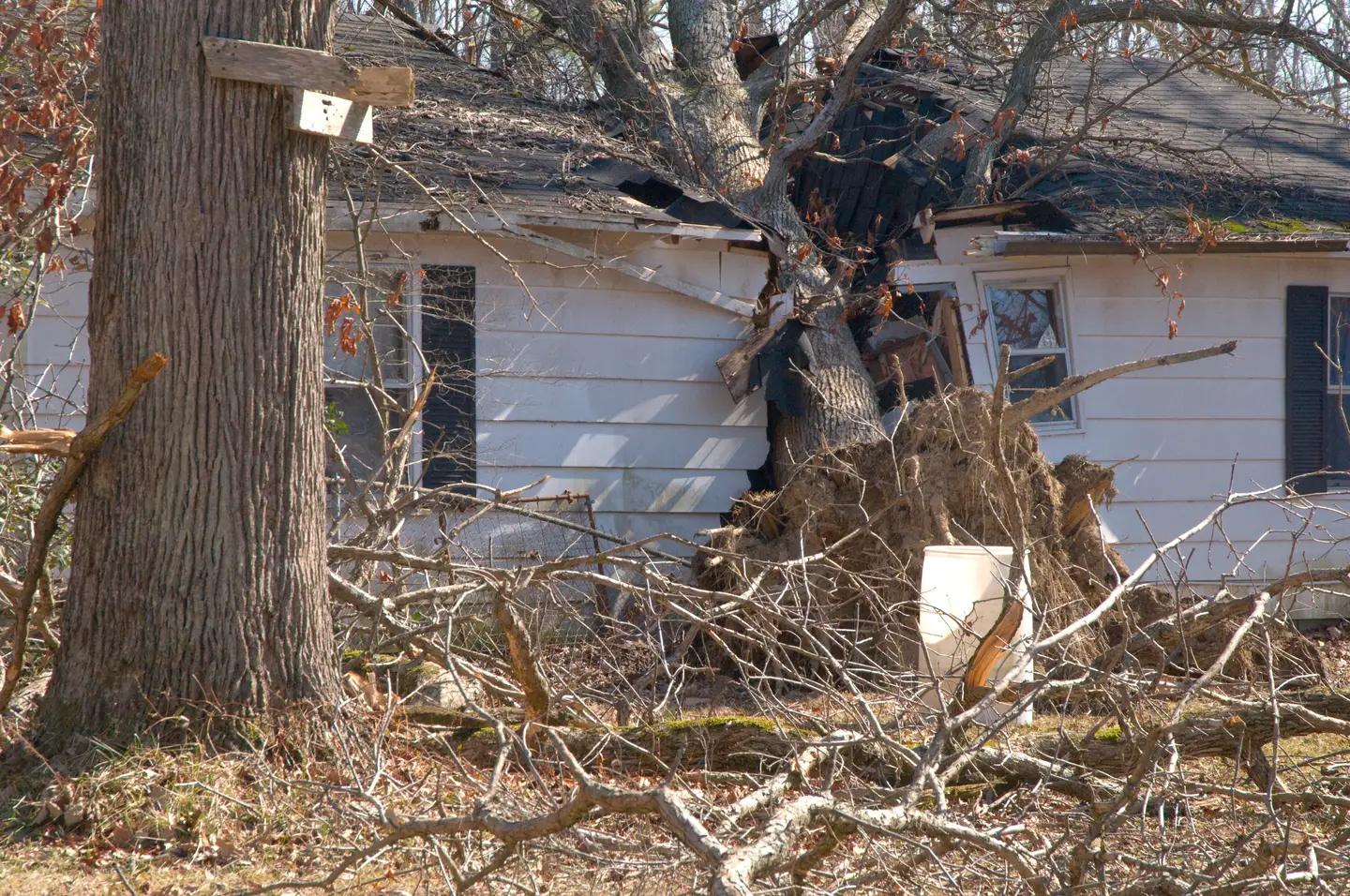
A single storm event can generate a wave of calls — downed trees, blocked driveways, damage to roofs and fences — all arriving within the same few hours. A small team physically cannot answer every call live while also running a crew outside. An AI answering service is built to take that overflow: it answers every call immediately, in order, and never sends a caller to a voicemail that won't get checked until the storm has passed.
What good looks like
The approach, in plain terms, is safety and triage first, everything else second. On a storm call, the AI's priorities run in this order:
- Confirm nobody is hurt or in immediate danger — if there is any doubt, the caller is told to call 911 first.
- Ask whether any part of the situation involves power lines — this determines everything that follows.
- Get the address and a plain description of what happened.
- Ask for a photo only if it is safe for the caller to take one.
- Flag the call's urgency and hand it off for a callback or transfer.
This is an approach, not a transcript — the AI adapts to what the caller actually says rather than reading a fixed script word for word, and the exact phrasing used on a live call is not published here.
The safety fork: wires vs. house
Tree on or touching power lines: this is a utility-company job, full stop — never the tree company's and never the AI's to handle. The caller is told to stay well away from the tree and the lines and to contact the utility company (or 911 if anyone is hurt or in immediate danger) before anything else happens. The AI does not try to talk anyone through assessing or approaching a tree near live wires.
Tree on a house, garage, fence, or vehicle, away from power lines: this is the tree company's job. The AI confirms safety, gets the details, asks for a photo only if it's safe to take one, and flags it for an urgent crew callback.
Mistakes to avoid
- Selling on a danger-sounding call. No pricing and no proof points (reviews, certifications, years in business) are surfaced while a call sounds like an active emergency. That conversation is about safety and triage, not closing a job.
- Treating every storm call the same. A tree leaning in a yard with no damage is not the same urgency as one resting on a roof — triage exists so the worst situations get a callback first.
- Letting the tree crew handle a wires call. See the safety fork above — this one is not negotiable.
- Assuming a text follow-up is possible. 10DLC texting consent is not live for this product yet, so follow-up happens by phone.
Example: a storm hits overnight
A line of storms moves through overnight and by 7am a tree company has a dozen missed calls. With the AI answering service in place, all twelve calls were answered as they came in. Two were flagged highest-priority: one with a tree resting on a carport roof (crew callback, no wires involved), and one where the caller mentioned a line sparking near a fallen branch — that caller was told immediately to get away from the area and call the utility company, and the job was logged but not treated as a crew dispatch. The other ten were logged with details and addresses, ready for the office to work through in order once the morning starts.
How MyCsSite handles it
The storm-call behavior is configured per company, using the same inbound-only AI answering service described on the AI answering service page. It answers calls that come in — it does not place outbound calls — and it does not quote a price unless the company has set up its own price book for it to read from. The safety-first, triage-first ordering described above is the same on every call, storm or otherwise; storms just mean more of them arrive at once.
FAQ
What happens first if I call during a storm?
The AI asks what happened and whether anyone is hurt or in immediate danger before anything else. If there is any danger, it tells the caller to call 911 before continuing.
What if the tree is touching power lines?
The AI tells the caller to stay away and call the utility company — never the tree company or the AI itself — because clearing a tree near live wires is a utility job, not a tree-crew job.
Will I hear pricing on the call?
Not during a call that sounds like an active emergency. Safety and triage come first; pricing and company proof points are not surfaced in that moment, and only come up later through a real follow-up unless the company has its own price book set up for the AI to quote from.
Can the AI call me back or text me an update?
It can trigger a callback or transfer to a real person on the number the company sets up. It cannot send a text update today — that requires a registered 10DLC campaign, which is not live for this product yet.
Does the AI dispatch a crew on its own?
No. It collects details and flags urgency, then hands the job to the company's own team to dispatch. It answers inbound calls only — it does not place outbound calls or make dispatch decisions on its own.
See how storm overflow gets handled today
Tap the towns you think you cover. We will show you what Google shows a homeowner in each one, and email you the one-page report. Free, no call required.
Related: AI answering service for tree service companies · Tree service website design built from proof · Local SEO for tree service companies · What a tree service website should include · Local SEO checklist for tree service companies · Tree service marketing
Questions about your account? Call (855) 317-9090.